

How Quickly Can a Plumber Repair a Frozen Pipe?
The repair time depends on where the frozen pipe is located, how severe the freezing is, and whether the pipe has cracked. An accessible pipe that is frozen but undamaged may be thawed relatively quickly by a professional.
If the pipe has burst, the process takes longer because the damaged section must be repaired or replaced. A plumber may also need to access plumbing hidden behind walls or ceilings, which can increase the repair time.
Professional plumbers use controlled methods to thaw frozen pipes safely. They also inspect the line as it warms because a hidden crack may begin leaking once water pressure returns.
Calling promptly can make the situation easier to manage. A plumber Cleveland OH residents trust can identify the problem, safely restore water flow, and determine whether additional repairs are necessary.
Why Do Pipes Freeze?
Pipes freeze when temperatures remain low enough for the water inside them to turn into ice. Plumbing located near exterior walls, garages, crawl spaces, basements, and poorly insulated areas is especially vulnerable.
Cleveland’s winter temperatures can create conditions that allow pipes to freeze for extended periods. Cold drafts entering through cracks or openings can make exposed plumbing even more susceptible.
Homes that are left without adequate heat during cold weather can also experience frozen pipes. Even occupied homes may have problems when certain rooms or plumbing areas are not properly heated.
Insulating exposed pipes, sealing air leaks, and maintaining consistent indoor temperatures can reduce the risk. Preventive maintenance before winter arrives can help homeowners avoid emergency plumbing problems.
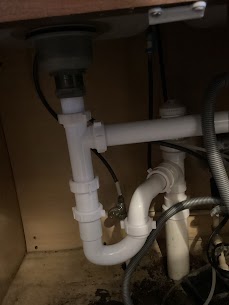
What Happens When Pipes Freeze?
When water freezes, it expands inside the pipe. This creates pressure that can cause the pipe to crack, particularly if the ice completely blocks the flow of water.
A frozen pipe may not leak immediately. In many cases, the damage becomes noticeable only after the ice begins to melt and water pressure returns.
Warning signs can include little or no water coming from a faucet, unusual noises, visible frost, or damp areas near exposed plumbing. Multiple fixtures losing water at the same time may indicate a larger frozen section.
A professional inspection can determine whether the pipe is intact or damaged. Thawing a pipe without checking for cracks can allow a hidden leak to become a much larger problem.
Can Frozen Pipes Be Thawed Without Replacement?
Yes. If a frozen pipe has not cracked, it may only require safe thawing rather than replacement. However, professional inspection is still recommended because damage can remain hidden while the pipe is frozen.
Plumbers use controlled warming methods appropriate for the pipe and its location. Applying excessive heat can damage plumbing or create a fire hazard, so homeowners should avoid using open flames or other dangerous heating methods.
Once the ice melts, the plumbing should be checked for leaks. If the pipe has split or developed a crack, the damaged section will need to be repaired or replaced.
Professional thawing is particularly important for pipes located inside walls or other inaccessible areas. A plumber can address the blockage while minimizing the risk of additional property damage.
What Should You Do Before the Plumber Arrives?
If you suspect a frozen pipe, avoid using excessive heat or attempting to force water through the blockage. If there is an active leak or a burst pipe, shut off the home’s main water supply if you can do so safely.
Check accessible plumbing for frost, cracks, dampness, or unusual changes in water pressure. Do not remove walls or ceilings to search for a frozen pipe.
Keep the affected area warm when possible and maintain normal indoor temperatures. Opening cabinet doors beneath sinks can also allow warmer air to circulate around exposed pipes.
If water is leaking, move valuables away from the affected area and use towels or containers to limit minor water spread. Avoid contact with electrical equipment that may have been exposed to water.
Providing the plumber with information about when the problem started and which fixtures are affected can also help with diagnosis.
When Is a Frozen Pipe an Emergency?
A frozen pipe should be treated as an emergency when there is active leaking, a burst pipe, significant water pressure loss, or a serious risk of property damage. Once a frozen pipe begins thawing, a crack can release substantial amounts of water.
Water from a burst pipe can damage drywall, flooring, cabinets, insulation, and personal belongings. Moisture left behind can also create additional problems if affected materials are not properly dried.
Multiple fixtures losing water may indicate that several sections of plumbing are frozen. Pipes located behind walls, under floors, or in other hidden areas can also require prompt professional attention.
If a burst is suspected, shutting off the water supply is an important first step when it can be done safely. Professional assistance should then be requested as soon as possible.

How Can You Prevent Frozen Pipes?
Preventing frozen pipes is easier than repairing water damage afterward. Insulating plumbing in garages, basements, crawl spaces, and other cold areas can help protect pipes from freezing temperatures.
Homeowners should also seal gaps around doors, windows, foundations, and other openings where cold air can reach plumbing. Keeping the home consistently heated during winter is equally important.
Outdoor plumbing should be prepared before freezing temperatures arrive. Disconnecting garden hoses and properly winterizing exposed fixtures can reduce the chance of freezing.
During extreme cold, allowing a small amount of water to flow from vulnerable faucets may help reduce freezing risk. However, this should complement proper insulation rather than replace it.
A professional inspection before winter can identify vulnerable pipes and insulation problems. Preventive action can save homeowners the inconvenience and expense associated with emergency frozen-pipe repairs.
How Much Does Frozen Pipe Repair Cost?
Frozen pipe repair costs vary depending on the severity and location of the problem. Thawing an accessible pipe that has not been damaged is generally simpler than replacing a burst pipe hidden behind a wall.
Labor, materials, accessibility, emergency service requirements, and water damage can all affect the final cost. If drywall, flooring, insulation, or cabinets have been damaged, additional restoration work may also be necessary.
Emergency plumbing service can have different pricing depending on the company and time of the call. Homeowners should ask about service charges and repair costs when possible.
The best way to determine the cost is to have the plumbing professionally inspected. A qualified plumber can identify the cause, explain the necessary repair, and provide an appropriate estimate.
Choosing a reputable plumber Cleveland OH homeowners can depend on can help ensure that the repair addresses both the immediate problem and any underlying cause.
Conclusion
Frozen pipes can sometimes be repaired quickly, especially when the affected section is accessible and has not been damaged. However, freezing can create pressure that causes pipes to crack or burst, making prompt professional attention important.
Homeowners can reduce their risk by insulating exposed plumbing, maintaining indoor heat, sealing cold-air leaks, and preparing outdoor fixtures before winter. If a pipe freezes, avoid unsafe heating methods and watch for signs of leakage as the ice thaws.
Plunger Plumber provides professional plumbing assistance for homeowners in Cleveland. If you need help with frozen, leaking, or damaged pipes, call (216) 399-7569 for professional plumbing service.