

Identifying the Cause of the Clog
Before attempting to clear a drain, plumbers first determine what is causing the blockage. Common causes include hair, soap residue, grease, food particles, mineral deposits, paper products, and foreign objects. In some cases, tree roots can enter underground sewer lines and create much more significant restrictions.
The location and symptoms of the clog can provide useful clues. For example, a slow bathroom sink may have buildup near the drain opening, while multiple fixtures backing up at the same time can indicate a problem deeper in the main drain or sewer line.
Professionals may also ask homeowners when the problem started and whether the drain has been slow before. This information helps distinguish between an isolated blockage and a recurring plumbing issue. A plumber Cleveland OH professional may then select equipment based on the suspected location, severity, and type of obstruction.
Using a Plunger for Simple Blockages
A plunger is one of the simplest tools plumbers use to address certain drain clogs. It works by creating pressure inside the pipe, which can loosen or move an obstruction so water can flow normally again.
Different plungers are designed for different fixtures. Flat-cup plungers are commonly used for sinks, while flange plungers are better suited to toilets because their shape creates a tighter seal. The plumber first makes sure the plunger has a good seal over the drain before applying controlled pressure.
Plunging can be effective when the obstruction is relatively close to the fixture and has not become firmly lodged. However, repeated plunging may not solve a deeper or more complicated blockage. If the water remains slow after several attempts, professional equipment may be necessary to locate and remove the obstruction.
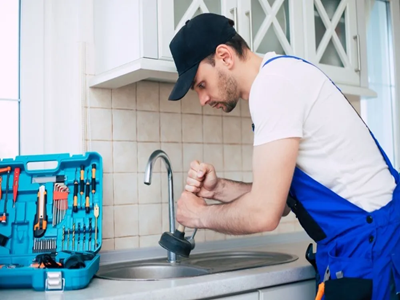
Clearing Drains With a Plumbing Snake
When a plunger cannot remove a clog, a plumbing snake, also called a drain auger, may be used. The tool consists of a flexible cable that travels through the drainpipe and reaches the obstruction. Depending on the equipment, the cable can break apart the clog or grab material so it can be pulled out.
Hand-operated augers are useful for smaller, localized blockages. Professional plumbers may use powered drain machines when dealing with longer or more stubborn obstructions. These machines allow the cable to travel farther into the plumbing system and apply greater force.
Proper technique is important when using an auger. Incorrect use can damage certain pipes or push the blockage farther into the system. Experienced professionals know how to work the cable through bends and identify resistance without unnecessarily stressing the plumbing.
Removing Grease and Buildup
Kitchen drains frequently become clogged because grease, oils, food particles, and other materials accumulate inside the pipes. Although grease may enter the drain as a liquid, it can cool and stick to pipe walls. Over time, additional debris can attach to the buildup and restrict water flow.
A professional may use mechanical equipment or specialized cleaning methods to remove this accumulation. The appropriate approach depends on the pipe material, the amount of buildup, and how severe the restriction has become.
Homeowners can reduce kitchen drain problems by avoiding the practice of pouring grease and cooking oils down the sink. Using a drain strainer can also help keep larger food particles out of the plumbing. Regular maintenance is especially helpful in older plumbing systems where years of buildup may already be present.
Using Hydro Jetting for Tough Clogs
Hydro jetting is a professional drain-cleaning method that uses highly pressurized water to clean the inside of pipes. Instead of simply creating a small opening through a clog, the water can wash away grease, sludge, mineral deposits, and other accumulated material along the pipe walls.
This method can be particularly useful for severe or recurring blockages. It may also help restore more of the pipe’s interior diameter by removing buildup that a traditional drain snake might leave behind.
Hydro jetting is not appropriate for every plumbing system. A professional needs to evaluate the condition and type of piping before using high-pressure water. If pipes are severely damaged or deteriorated, another solution may be safer. This is one reason homeowners should have a qualified plumber Cleveland OH professional assess the situation before choosing a drain-cleaning method.
Inspecting Pipes With a Camera
When a drain keeps clogging, simply removing the current blockage may not address the underlying problem. Plumbers can use specialized drain cameras to inspect the inside of pipes and identify conditions that are difficult to detect from aboveground symptoms.
A small camera attached to a flexible cable can travel through the plumbing while transmitting images to a monitor. This allows the technician to look for cracks, collapsed sections, heavy buildup, foreign objects, or tree root intrusion.
Camera inspections are especially valuable when a blockage occurs repeatedly or affects multiple fixtures. Instead of guessing where the problem is located, the plumber can obtain a clearer view of the plumbing system and recommend an appropriate repair or cleaning method.

Addressing Tree Roots in Sewer Lines
Tree roots can become a serious cause of drain and sewer blockages, particularly around underground sewer pipes. Roots naturally seek moisture, and small cracks or joints in a pipe can provide access to water. Once inside, roots may continue growing and trap waste as it moves through the line.
A plumber may use mechanical cutting equipment or hydro jetting to remove roots from the pipe. However, clearing the roots does not necessarily repair the damaged section of sewer line. If the pipe is cracked, displaced, or severely compromised, additional repair may be needed.
Professional inspection is important because recurring root intrusion usually indicates an underlying pipe problem. Addressing that problem can provide a more lasting solution than repeatedly clearing the same blockage.
Preventing Future Drain Clogs
After clearing a drain, plumbers often recommend simple maintenance practices to reduce the chance of another blockage. Keeping hair, food scraps, grease, and other debris out of drains is one of the easiest ways to protect household plumbing.
Homeowners should also pay attention to warning signs such as slow drainage, gurgling sounds, foul odors, or water backing up into sinks and tubs. These symptoms can indicate developing restrictions before a complete blockage occurs.
For properties with recurring drain problems, professional maintenance may be worthwhile. A plumber Cleveland OH specialist can evaluate the plumbing, identify patterns, and recommend appropriate cleaning or repair. Preventive care can help protect pipes and reduce the inconvenience of unexpected backups.
Conclusion
Professional drain unclogging involves more than simply forcing water through a blocked pipe. Plumbers first identify the likely cause and location of the obstruction before choosing a method such as plunging, snaking, hydro jetting, or camera inspection. More complicated problems, including tree root intrusion or damaged sewer lines, may require additional repairs.
Taking action when drains first become slow can help prevent more serious backups and plumbing damage. Avoiding grease, debris, and inappropriate materials in drains can also reduce future problems. If you are dealing with a stubborn or recurring clog, Plunger Plumber can help homeowners in Cleveland determine the right solution. For professional plumbing assistance, call (216) 399-7569.