

Turn Off the Water Supply
If water is actively leaking or a fixture is overflowing, shutting off the water should usually be your first step. For a localized problem, use the shutoff valve connected to the affected toilet, sink, appliance, or fixture.
If you cannot find the individual valve, locate your home’s main water shutoff. Turning it off can stop water from continuing to enter the plumbing system and potentially reduce property damage.
Once the water is off, avoid repeatedly turning it back on to check the problem. Doing so could cause additional leaking or flooding.
Knowing where the main shutoff valve is located can be extremely helpful during an emergency. If you are unsure where it is, ask a plumbing professional to identify it during a future service appointment.
Stop Using the Affected Fixture
Avoid using the fixture that is causing trouble until a professional has inspected it. Continuing to flush an overflowing toilet or run water into a clogged sink can make the situation significantly worse.
If a drain is backing up, keep other household members from using it as well. A blockage could prevent wastewater from draining properly and result in an overflow.
For a leaking faucet or pipe, stop using nearby fixtures if you are unsure whether they are connected to the same plumbing issue. Explain what happened to the plumber when they arrive.
A professional can determine whether the problem is isolated or connected to a larger plumbing issue. Avoiding unnecessary water use gives the technician a better starting point for the inspection.
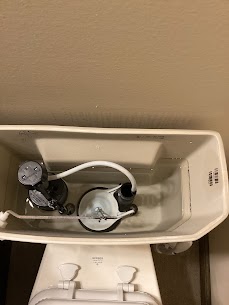
Protect Your Home From Water Damage
If water has already escaped, move furniture, rugs, boxes, electronics, and other valuables away from the affected area if it is safe to do so. Towels and buckets can help contain small leaks while you wait.
Be particularly careful around electrical outlets, appliances, and wiring. Never enter standing water if there may be an electrical hazard.
If possible, take photographs of the affected area. Pictures can document the extent of the problem and help explain what happened to the plumber.
Stopping the source of the water is more important than trying to completely clean the area before professional help arrives. Once the plumbing problem is controlled, additional drying or restoration may be necessary.
Clear Access to the Plumbing
Make the affected plumbing area as accessible as possible. Remove items stored beneath a sink, around a water heater, or near exposed pipes.
If the problem is in a basement, utility room, or crawl space, move loose belongings away from the work area. This gives the plumber enough room to inspect the equipment and perform repairs safely.
You generally do not need to dismantle cabinets or remove fixtures yourself. Simply clearing personal belongings and obvious obstacles is usually enough.
A clean work area can help the plumber locate the problem faster and reduce the time needed to begin the repair.
Gather Information About the Problem
Think about when the plumbing issue started and what you noticed before it occurred. Was the problem sudden, or did it develop gradually?
Pay attention to symptoms such as slow drains, unusual odors, gurgling sounds, low water pressure, or recurring backups. These details may help the plumber identify the source of the problem.
If the issue is intermittent, write down when it usually happens. Photos or videos can also be useful if they safely show the problem.
When your plumber Cleveland OH professional arrives, explain what you observed and what steps you have already taken. Accurate information can help make the inspection more efficient.
Avoid Risky DIY Repairs
It is understandable to want to fix a plumbing problem yourself, but complicated repairs can create additional damage. Avoid forcing stuck valves, removing pressurized pipes, or attempting unfamiliar repairs without the proper tools and knowledge.
Be cautious with chemical drain cleaners as well. If a plumber needs to open a drain containing chemical residue, it can create additional safety concerns.
Simple steps such as shutting off a fixture’s water supply may be appropriate, but major repairs are best left to a qualified professional.
If you already attempted a repair, tell the plumber exactly what you did and which products you used. This information can help them work more safely.

Check for Electrical Hazards
Water and electricity can create serious safety risks. If water is near electrical outlets, appliances, extension cords, or wiring, stay away from the affected area.
Do not walk through standing water if electrical equipment may be involved. Never touch electrical equipment while standing in water.
If power needs to be shut off, only do so if you can safely access the electrical panel without entering a wet or hazardous area. Otherwise, contact an appropriate professional for assistance.
Tell the plumber about any electrical concerns when they arrive. Safety should always come before attempting to save property or investigate the plumbing yourself.
Prepare Important Plumbing Information
Gather any information you have about previous plumbing work, repairs, replacements, or warranties. This can give the plumber useful background about your home’s system.
If a problem developed after recent plumbing work, mention it during the appointment. Knowing what was previously repaired can help the technician focus their inspection.
It can also be useful to know the location of your main water shutoff, water heater, and accessible fixture valves. You do not need to operate them unless necessary and safe.
If you rent your home, check whether your landlord or property manager needs to approve repairs. Having this information ready can prevent unnecessary delays.
Make the Home Accessible
Make sure the plumber can easily enter the property and reach the affected area. Secure pets and keep children away from the work zone.
If the plumber needs to access a basement, garage, utility room, or outdoor plumbing, clear the path beforehand. Remove boxes, furniture, or other obstacles that could make access difficult.
If parking or building access is complicated, provide clear instructions before the appointment. Good communication can help the technician arrive prepared and begin work promptly.
When contacting a plumber Cleveland OH company, provide accurate details about where the problem is located. This may help the plumber bring the appropriate tools and equipment.
Ask Questions Before Work Begins
When the plumber arrives, explain the problem and show them where you noticed it. Allow the professional to inspect the system before deciding on a repair.
Ask what is causing the problem, what repair options are available, and whether the issue could indicate a larger concern. If replacement is recommended, ask why replacement is necessary instead of repair.
Before significant work begins, make sure you understand the expected cost and scope of service. You can also ask whether additional problems discovered during the repair could affect the final price.
Clear communication helps homeowners understand the work being performed and make informed decisions about their plumbing system.
Conclusion
Preparing your home before a plumber arrives can help minimize damage, improve safety, and make the repair process more efficient. Shut off the water when necessary, stop using the affected fixture, protect nearby belongings, and clear access to the problem area. Avoid complicated DIY repairs and watch for electrical hazards whenever water is involved. Gathering information about the issue can also help the professional diagnose the problem more efficiently. If you need a dependable plumber Cleveland OH homeowners can call for professional assistance, Plunger Plumber is ready to help customers in Cleveland with their plumbing concerns. For service or to discuss a plumbing problem, contact Plunger Plumber at (216) 399-7569.